What Are Black Roof Shingles?
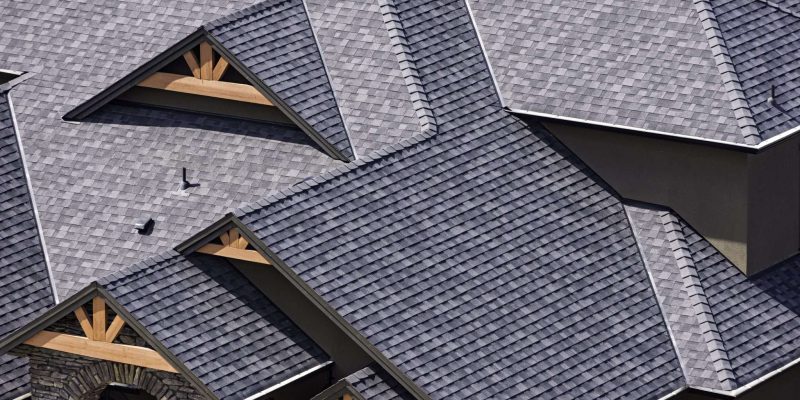
Roof shingles are an essential component of residential and commercial roofing systems. These overlapping elements serve as the primary barrier against water infiltration, wind, and environmental wear. Black shingles, as the name implies, are shingles that are either naturally dark or have been manufactured with a black finish. Their striking appearance and ability to complement a wide range of exterior color schemes make them a popular choice among homeowners. Black shingles can be used in both new constructions and re-roofing projects, allowing for aesthetic upgrades without major structural changes. Their sleek, bold look makes them especially appealing in modern architectural designs, though they also pair well with classic and rustic styles. Beyond their appearance, black shingles offer various practical benefits depending on the material chosen. Whether you’re looking for something purely aesthetic or seeking enhanced performance, black shingles offer a versatile solution for many roofing needs.
Common Materials Used in Black Shingles
The most commonly used material for black shingles is asphalt, a cost-effective and durable choice known for its easy installation and widespread availability. Asphalt shingles are manufactured with a fiberglass or organic base and topped with mineral granules that can be tinted in various shades, including deep black. However, asphalt isn’t the only option. Homeowners seeking a more upscale or distinctive appearance may opt for materials such as metal, which can be coated in black for a sleek, reflective finish that resists corrosion and lasts for decades. Slate, a premium natural material, is also available in black and offers unparalleled durability and fire resistance, though it comes at a higher price point. Composite shingles made from recycled materials can mimic the look of slate or wood while offering color versatility and eco-friendly benefits. Additionally, wood shingles can be stained dark, though this requires more maintenance to retain the deep color over time. Each material affects the roof’s final cost, maintenance schedule, and life expectancy, so it’s important to weigh your priorities when selecting black shingles.
Popularity and Aesthetic Appeal
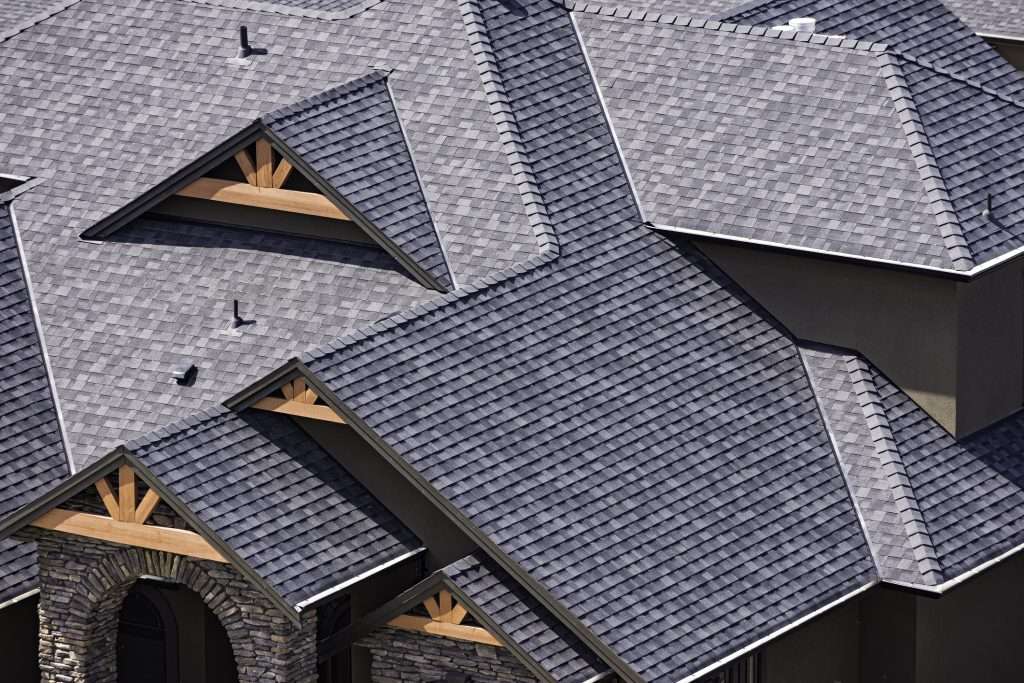
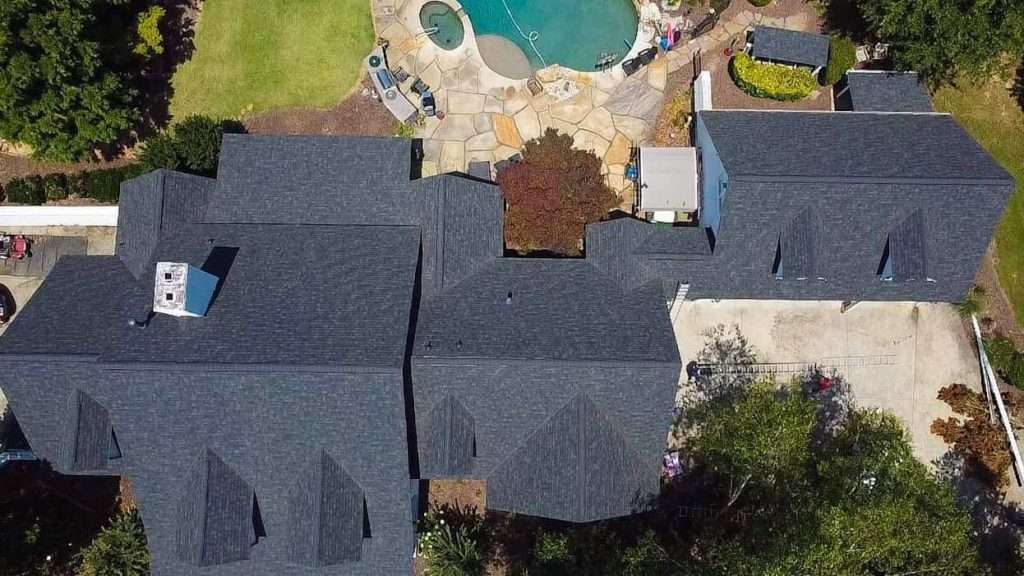
Black shingles have grown in popularity due to their sophisticated look and ability to adapt to various architectural styles. They provide a sense of contrast that works especially well with lighter-colored exteriors, allowing the roofline to pop and highlight design features such as dormers, gables, and eaves. Their deep color offers a dramatic, elegant effect that enhances the overall curb appeal of a property. Unlike lighter shingles, which may appear washed out under certain lighting conditions, black shingles maintain their bold appearance regardless of the weather. This makes them a great year-round aesthetic choice, from sunny days to snowy winters. They are equally at home on colonial homes with white siding, as they are on minimalist modern structures with metal or stucco finishes. In addition, black shingles have a timeless quality that doesn’t go out of fashion quickly, which is beneficial if you’re planning to sell your home in the future. Homeowners and designers alike are drawn to their versatility and classic appearance, which can elevate the entire look of a home.
Pros of Installing Black Shingles
Enhanced Curb Appeal and Modern Look
Black shingles are widely praised for their ability to elevate a home’s visual presence. The richness of black gives the roof a polished, high-end appearance that enhances architectural details and contributes to a cohesive design. Whether your home has brick, stucco, stone, or wood siding, black shingles often provide a complementary contrast that stands out. This color can also hide stains and algae growth more effectively than lighter-colored shingles, maintaining a cleaner look over time. Their timeless appeal ensures that they stay in style, which can be a boost to your property’s resale value. Black shingles are especially effective on homes with a lot of roof surface area, where the color can create a dramatic visual impact. For homeowners looking to make a bold design statement, black shingles are a simple yet effective choice. From cozy bungalows to grand estates, black roofing can make a significant difference in how a home is perceived.
Heat Absorption Benefits in Colder Climates
One of the practical benefits of black shingles is their heat-absorbing quality, which can be advantageous in colder regions. Because black surfaces naturally retain more heat, they can help to melt snow and ice more quickly during winter months, potentially reducing the risk of ice dams forming on the roof. This can extend the life of your roofing system by decreasing the likelihood of moisture damage and structural stress. In some cases, homeowners may also notice reduced heating costs during colder months due to the retained heat radiating into the attic space. The dark color works like a passive solar collector, gathering warmth from the sun during the day. In areas with long, cold winters, this feature can offer added comfort and efficiency without any additional systems or equipment. While the benefit is modest, every bit of energy savings can add up over time. These advantages make black shingles a smart consideration for homes in northern climates.
Concealing Roof Imperfections
Another benefit of black shingles is their ability to mask minor flaws in the roofing surface. Older roofs or structures that have experienced patch repairs may show signs of unevenness or slight discoloration with lighter-colored shingles. Black shingles, on the other hand, offer a more uniform appearance that hides these imperfections effectively. This is particularly helpful for homeowners looking to upgrade their roof without undertaking a full structural overhaul. It can also make the roof look newer and more polished, contributing to a home’s curb appeal. For homes with a complex roof design, where valleys, ridges, and flashing might otherwise disrupt visual continuity, black shingles help maintain a cohesive and clean look. They are especially forgiving when it comes to minor installation inconsistencies that might be more noticeable with lighter colors. For real estate professionals or homeowners preparing to list their home, this hidden benefit can enhance the property’s visual appeal.
Compatibility with Various Architectural Styles
Black shingles offer unmatched versatility when it comes to architectural compatibility. Whether you’re renovating a Victorian home, building a new craftsman bungalow, or refreshing a ranch-style house, black roofing complements nearly every type of exterior. Its neutral tone provides a strong yet subtle backdrop that enhances other design elements without overpowering them. For modern homes, black shingles underscore sleek lines and bold geometry, while for more traditional designs, they offer a grounding visual element that ties the structure together. Additionally, black shingles work well with a broad palette of siding colors, from crisp whites to earthy neutrals and vibrant tones. This adaptability makes them a safe and attractive choice for homeowners who want a lasting investment in both style and function. Because of this broad appeal, black shingles are often favored in neighborhoods with mixed architectural styles, providing visual consistency without sacrificing individuality.
Cons of Installing Black Shingles
Increased Heat Retention in Warm Climates
While black shingles offer some heat benefits in colder climates, the opposite can be true in warmer regions. The same heat-absorbing properties that help melt snow can also cause higher indoor temperatures during summer. This increased heat retention can make attics and upper floors warmer, leading to discomfort and a greater reliance on air conditioning systems. In turn, this places more stress on HVAC units, potentially shortening their lifespan and increasing energy bills. Prolonged exposure to high temperatures can also accelerate the aging process of roofing materials. Homeowners in hot, sunny regions should consider these factors carefully before committing to black shingles. There are ways to counteract some of this impact, such as proper attic insulation and ventilation, but it’s essential to understand the potential thermal drawbacks upfront. Ultimately, climate should play a central role in your roofing decision.
Potential for Higher Cooling Costs
Because black shingles absorb more solar heat than their lighter counterparts, homes with black roofs in hot climates may experience a spike in cooling costs. During peak summer months, your air conditioning system may have to work overtime to maintain a comfortable indoor temperature. This not only increases monthly utility expenses but may also lead to more frequent maintenance or replacement of HVAC components. While the aesthetic benefits of black shingles are clear, the trade-off in energy efficiency should not be overlooked. Homeowners should consider the long-term implications on their energy budget, especially in regions that experience prolonged heatwaves or high humidity. Some newer black shingles incorporate reflective technology to mitigate this issue, but these products may come at a higher price point. Balancing beauty with performance is key to making the right choice for your home’s needs.
Shorter Lifespan Due to UV
Black shingles are more susceptible to UV damage due to their dark color absorbing more sunlight. Over time, this can cause the roofing material to degrade faster than lighter-colored alternatives. The intense heat can lead to cracks, curling, or granule loss, which weakens the shingle’s protective barrier. While all shingles are affected by UV exposure to some degree, black shingles tend to show the effects sooner. This doesn’t mean they’re a poor choice, but it does mean that more vigilant maintenance and care will be necessary to preserve their appearance and functionality. Investing in high-quality shingles with UV-resistant coatings can help offset this issue. It’s also a good idea to schedule regular roof inspections to catch early signs of wear and take corrective action before it turns into major damage.
Compliance with Local Building Codes
In certain areas, particularly those with energy conservation codes or extreme climates, local building regulations may limit the use of dark-colored roofing materials. These restrictions are often aimed at reducing the urban heat island effect and improving the overall energy efficiency of residential neighborhoods. If black shingles are not compliant with local codes, homeowners may face penalties, delays, or even be required to replace the roof entirely. It’s important to check with your municipality or homeowner’s association before proceeding with installation. Consulting with a knowledgeable roofing contractor who is familiar with local ordinances can save you time, money, and frustration. In some cases, obtaining special permits or opting for energy-efficient alternatives can allow you to use black shingles while still staying compliant. It’s always better to verify first rather than risk costly rework later.
Energy Efficiency Considerations
Impact of Shingle Color on Energy Consumption
The color of your roof plays a more significant role in energy efficiency than many homeowners realize. Darker colors like black absorb more sunlight and heat, which can translate into higher interior temperatures—especially in the attic and upper floors. This retained heat often forces cooling systems to work harder, driving up utility bills and reducing energy efficiency. While the impact may be modest in milder climates, it can be quite substantial in areas with prolonged warm seasons. On the other hand, in colder regions, this added heat can slightly reduce heating costs. That’s why the local climate is such a critical consideration when choosing shingle color. Homeowners who are particularly energy-conscious may prefer lighter colors unless other mitigating features are in place. Understanding this relationship between shingle color and home temperature is key to making an informed roofing decision.
Cool Roof Technologies and Alternatives
Fortunately, roofing technology has evolved to address the energy inefficiencies of dark-colored shingles. Cool roof options, including reflective granules and specialized coatings, help black shingles reflect more sunlight and absorb less heat. These innovations can significantly reduce the thermal impact without sacrificing the aesthetic appeal of a dark roof. Some manufacturers now offer “cool black” shingles that combine the sleek look of traditional black with improved solar reflectance. These shingles meet or exceed ENERGY STAR® standards and are becoming more popular in sunbelt states. While they may cost slightly more upfront, the savings on energy bills and improved indoor comfort can quickly justify the investment. These technologies are particularly valuable in regions where local codes require minimum reflectivity ratings. For those committed to the look of black shingles, cool roof solutions provide an excellent compromise.
Role of Attic Ventilation and Insulation
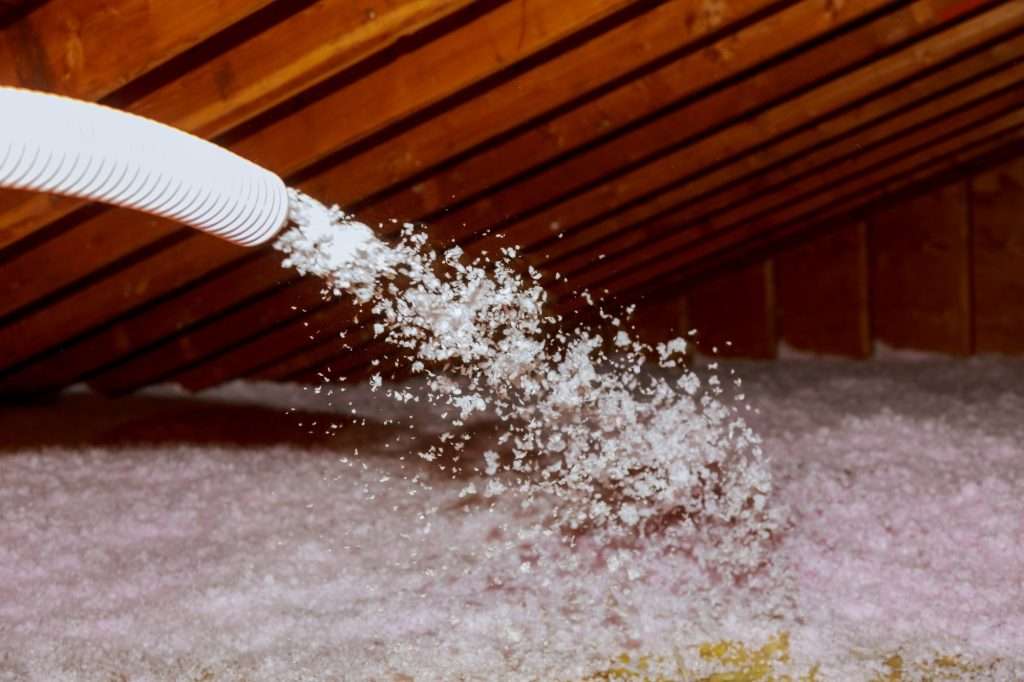
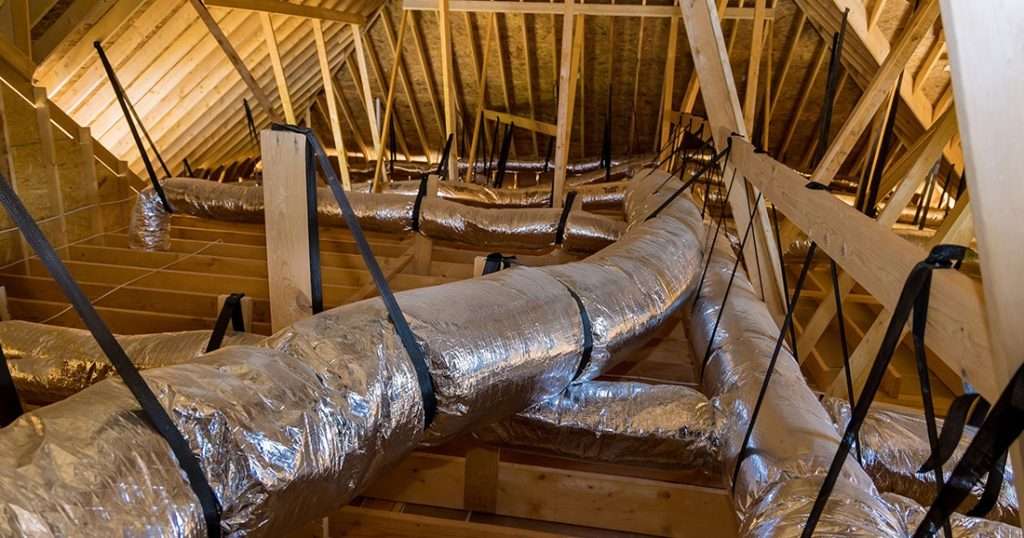
Proper attic ventilation and insulation are crucial when installing black shingles, especially in warmer climates. Ventilation allows hot air to escape the attic, reducing the overall heat burden on your home. Ridge vents, soffit vents, and attic fans all play a role in maintaining proper airflow and temperature balance. Good insulation prevents heat from entering living spaces, keeping indoor temperatures stable and reducing HVAC usage. Together, these features can significantly offset the heat absorption of black shingles and improve overall energy efficiency. Homeowners should work with roofing professionals to assess the current state of their attic and determine if upgrades are needed. Investing in proper attic care can extend the lifespan of your shingles, enhance indoor comfort, and lower energy bills. Even in colder climates, these systems are important for moisture control and consistent performance.
Maintenance and Durability
Effects of Heat on Shingle Longevity
Heat can accelerate the wear and tear on roofing materials, and this is particularly true for dark-colored shingles like black. When exposed to high temperatures, shingles may expand and contract, which over time can lead to cracking, warping, or premature aging. This thermal stress is especially pronounced in areas with intense sun exposure or fluctuating temperatures. Black shingles are more prone to absorbing and retaining heat, which amplifies these effects. Regular maintenance, including inspections and minor repairs, is essential for mitigating heat-related damage. Using UV-resistant products or sealants can help extend the life of your shingles and preserve their appearance. Ultimately, while black shingles are durable, their longevity can be compromised without proper care. Homeowners should plan for ongoing upkeep as part of their roofing investment.
Importance of Regular Roof Inspections
Regular roof inspections are essential for ensuring the long-term performance of black shingles. Due to their dark color, it can be difficult to spot early signs of wear, such as granule loss or subtle cracking. Professional inspections can identify these issues before they develop into major problems. It’s recommended to have your roof inspected at least once a year, and after any major weather events. Inspections should include checking flashing, shingles, vents, and underlayment to ensure everything is intact. Homeowners can also perform visual checks from the ground or via drones to spot any irregularities. Keeping up with inspections can help you stay ahead of repairs and avoid unexpected expenses. A well-maintained roof is not only more durable but also more energy-efficient and aesthetically pleasing.
Strategies to Protect Your Roof from Damage
Protecting your roof starts with proactive maintenance strategies tailored to your roofing material and local climate. For black shingles, using a reflective coating or choosing shingles with built-in UV protection is a wise first step. Ensuring proper attic ventilation will also reduce heat buildup, helping to prevent thermal damage. Homeowners should keep gutters clear of debris to prevent water pooling and potential leaks. Trimming back overhanging branches can minimize the risk of physical damage from falling limbs and reduce the accumulation of organic material. Moss and algae growth can also be a concern, particularly in humid regions, so periodic roof cleaning may be necessary. Hiring a licensed roofing professional for routine maintenance ensures your roof stays in optimal condition. These steps collectively extend the life of your roof and safeguard your investment.
Cost Implications
Initial Installation Costs
The upfront cost of installing black shingles depends on the roofing material, roof size, pitch, and any additional features required. Asphalt black shingles remain one of the most affordable options, making them popular among budget-conscious homeowners. However, if energy-efficient coatings or upgraded ventilation systems are needed, the overall installation cost can increase. Premium materials such as slate or metal come with a significantly higher price tag but may offer longer lifespans and lower maintenance costs. Labor costs may also vary depending on the complexity of the roof design. For those in warmer climates, investing in cool roof technologies may be a necessary expense. While black shingles can be budget-friendly, it’s important to consider the full scope of the project when evaluating initial costs. Planning ahead with a detailed quote can help avoid surprises and ensure a smooth installation process.
Long-Term Energy and Maintenance Expenses
While black shingles may be affordable initially, they can incur higher energy and maintenance costs over time. In warm climates, increased cooling demands can lead to noticeable spikes in energy bills during summer months. If shingles degrade more quickly due to UV exposure, the need for repairs or even early replacement becomes a financial consideration. Ongoing maintenance, such as cleaning and inspections, is crucial to preserve the roof’s integrity. However, investing in quality materials, proper attic systems, and cool roof technology can significantly reduce these costs. It’s a balancing act between upfront savings and long-term performance. Homeowners should consider the total cost of ownership when making a decision, rather than focusing solely on initial prices. Consulting with a roofing expert can help break down these costs and identify opportunities for savings.
Comparing Costs with Other Roofing Materials
Compared to other roofing materials, black asphalt shingles are one of the most economical choices in terms of installation and materials. They are far more budget-friendly than slate, tile, or wood shakes, which offer different aesthetics but come with higher costs and maintenance demands. Even metal roofs, while durable and increasingly popular, have higher initial costs and can be more complex to install. However, some premium materials may offer longer lifespans and better energy efficiency, potentially offsetting their higher cost over time. Black composite or synthetic shingles strike a middle ground, offering durability and design flexibility at a moderate price point. Each material has trade-offs in terms of performance, appearance, and value. Homeowners should evaluate not just installation costs but also warranties, lifespan, and expected maintenance when making a final decision.
Making the Right Choice for Your Home
Assessing Your Climate and Location
Your geographic location plays a pivotal role in determining whether black shingles are right for your home. In cooler climates, their heat-retaining properties can be a major advantage, potentially helping with snow melt and winter energy efficiency. Conversely, in hotter regions, this same characteristic could lead to higher cooling costs and accelerated wear. Beyond temperature, factors like average annual sunlight, humidity, and storm frequency should be considered. Certain areas may also have environmental regulations or HOA rules that influence your roofing choices. A clear understanding of your local climate conditions allows you to weigh the pros and cons effectively. Homeowners should also consider the orientation and pitch of their roof, which can affect sun exposure and heat buildup. Taking a holistic view of your home’s environment ensures you choose a roofing solution that performs well year-round.
Consulting with Roofing Professionals
When deciding on black shingles, it’s essential to speak with experienced roofing professionals who understand your local climate, building codes, and design goals. A qualified contractor can evaluate your existing roof structure, recommend materials, and identify potential challenges or opportunities. They can also explain the differences between standard black shingles and newer energy-efficient options. With their expertise, you can avoid costly mistakes and make confident decisions based on both aesthetics and functionality. Additionally, professional roofers can provide estimates, timelines, and warranty information to help you plan effectively. They’ll ensure your new roof meets safety standards and offers lasting protection. Choosing the right roofer is just as important as choosing the right shingle. Always look for licensed, insured, and well-reviewed professionals who can bring your vision to life.
Balancing Aesthetics and Practicality
While the sleek, stylish appearance of black shingles is undeniably appealing, homeowners must also consider practical concerns such as energy efficiency, maintenance, and durability. A beautiful roof should also be functional and long-lasting. Think about how the roof will perform in your specific environment, and whether you’re willing to invest in additional systems like improved insulation or ventilation to support its longevity.
Ultimately, the best roofing material for your home is one that suits your personal preferences, your home’s architectural style, and your local climate.
Conclusion: Trust Artisan Roofing & Construction to Guide You
Choosing the right roof shingles is about more than just curb appeal — it’s a decision that affects your home’s comfort, energy efficiency, durability, and long-term value. Black shingles offer a stunning, timeless look that can complement virtually any architectural style, but they also come with unique considerations depending on your climate, home design, and maintenance preferences. That’s where Artisan Roofing & Construction comes in.
At Artisan Roofing & Construction, we don’t just install roofs — we partner with you to find the best roofing solution for your unique needs. Our experienced team takes the time to understand your goals, explain your options, and offer expert recommendations backed by years of craftsmanship and integrity. Whether you’re drawn to the elegance of black shingles or need help exploring energy-efficient alternatives, we’ll guide you through every step with honesty and care.
Let us help you strike the perfect balance between beauty and practicality. Contact Artisan Roofing & Construction today for a personalized consultation and discover why we’re trusted by homeowners who want more than just a roof — they want a lasting legacy of quality.