Average Duration for Standard Roofs
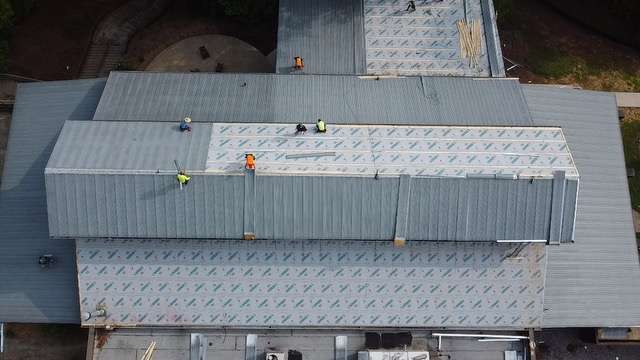
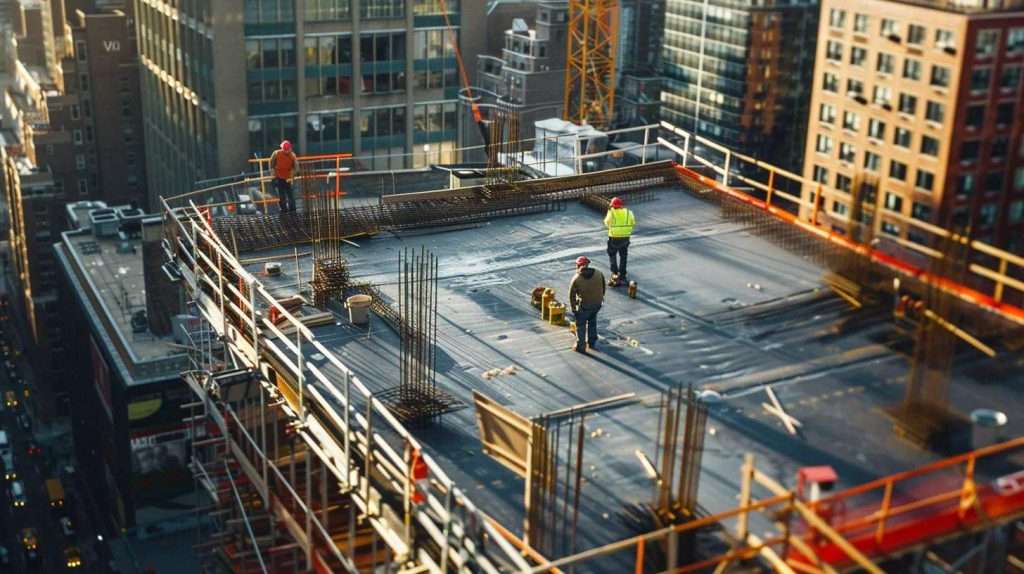
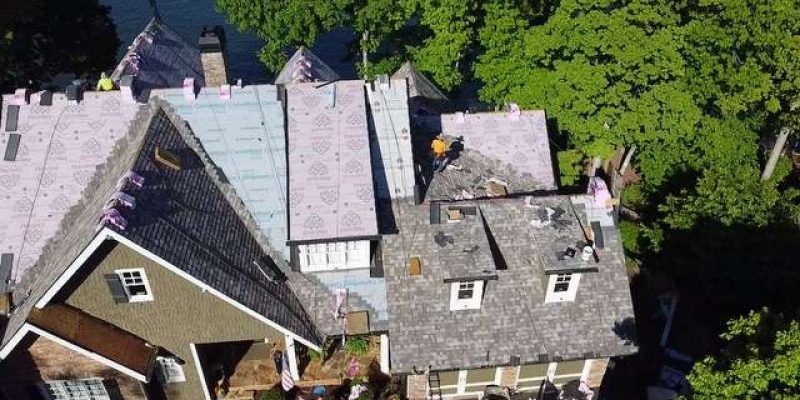
For an average-sized home, roof replacement typically takes 1-2 days under optimal conditions. This quick turnaround is due to advancements in materials and roofing techniques. However, this timeline is not set in stone, as several factors can influence the duration of the project, and even minor complications can extend the schedule.
Factors Influencing Replacement Time
The weather conditions, the type of roofing material used, and the size and complexity of the roof all play significant roles in the timeline. For instance, adverse weather conditions such as rain or snow can extend the timeline due to safety hazards and material limitations. Additionally, the complexity of the roof design, such as multiple angles, chimneys, or skylights, may necessitate additional safety measures and labor, further extending the project duration.
Key Factors Affecting Roof Replacement Duration
Weather Conditions
Cold temperatures can impact how asphalt shingles adhere and seal, potentially delaying the project. Extreme heat can also affect the working conditions and installation process. On the other hand, snow-covered or icy roofs pose serious safety hazards for the crew, which can halt work entirely until the roof is deemed safe.
Type of Roofing Materials
The type of roofing material used can significantly affect the duration of the replacement. Here’s a rough estimate of the time it takes to install different types of roofs:
- Asphalt shingles: 1–3 days, due to their lightweight nature and ease of installation.
- Wooden shingles: 6–8 days, as these require more precise placement and weatherproofing.
- Slate tiles: 6–7 days, primarily due to their weight and the need for structural reinforcements.
- Metal roofing: 1–3 days, depending on the style and interlocking panel system.
Roof Size and Design Complexity
As you might expect, larger homes require more time for roof replacement because of the increased surface area and additional materials needed. Similarly, roofs with a steep slope or intricate designs may require specialized equipment and added labor time. Elements such as valleys, dormers, skylights, and chimneys also add complexity to the job.
Additional Considerations in Roof Replacement
Historical Homes
If you own a home designated as a historical landmark, you may need to take extra care to preserve its structural integrity during a roof replacement. This often involves specialized techniques and materials to match the original architecture. You might also need special permits for such properties, which can add to the project timeline and cost.
Accessibility Challenges
If your home’s landscape or its proximity to other structures hinders roof access, this could potentially cause delays in the project. Limited space for staging materials, difficult terrain, or obstacles like trees or power lines can all complicate logistics. These factors often require additional planning or equipment to ensure the job proceeds safely and efficiently.
Ensuring a Smooth Roof Replacement Process
Importance of Regular Roof Inspections
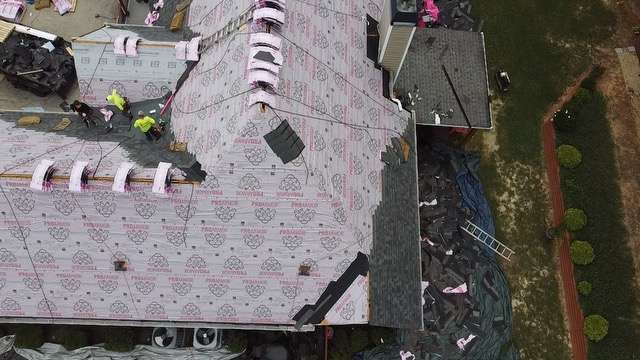
By conducting annual roof inspections, you can identify potential issues early on and plan your replacement before serious damage occurs. This proactive approach helps you avoid emergency replacements and gives you more flexibility with scheduling and budgeting. Inspections also ensure that your roof remains compliant with building codes and insurance requirements.
Selecting Qualified Roofing Companies
When choosing a contractor for your roofing project, it’s essential to select one with proper licensing, insurance, and a solid reputation. Experienced roofing companies can complete the job more efficiently while adhering to safety standards. This not only ensures high-quality work but also protects you from potential liabilities and delays.
Planning for Weather Conditions
To minimize delays, try to schedule your roof replacement during a season with favorable weather conditions, such as late spring or early fall. Monitor weather forecasts closely and allow for some scheduling flexibility in case of unexpected changes. Your contractor can also help you determine the ideal window for starting the project.
Cost Implications of Roof Replacement
Average Roof Replacement Costs
Homeowners typically spend between $5,346 and $10,787 on roof replacement, although this can vary depending on a number of factors including region, labor rates, and roof accessibility. This range often includes materials, labor, permits, and disposal of old roofing materials. It’s important to request a detailed quote to understand all included costs.
Factors Influencing Roofing Costs
The material choice, labor costs, and roof complexity can all affect the total expense of a roof replacement. Premium materials like slate or metal are more expensive than asphalt shingles, both in terms of material and installation labor. Additional costs can arise if your roof deck needs repairs or if there are underlying structural issues.
Long-Term Investment Considerations
Investing in durable, high-quality materials can provide peace of mind and potentially reduce long-term expenses related to maintenance and repairs. Energy-efficient options may also lead to utility savings over time. While upfront costs may be higher, the longevity and performance of premium materials can justify the investment.
Deciding Between Roof Repair and Replacement
Identifying Red Flags
Frequent leaks, missing shingles, or signs of water damage may indicate that a full roof replacement is necessary. Sagging areas or visible daylight through the roof boards are also major red flags. A professional inspection can help determine the severity of these issues and the best course of action.
Evaluating Minor Repairs vs. Full Replacement
Assess the extent of damage to your roof to determine if minor repairs are sufficient or if a full replacement is warranted. If the damage is localized and the rest of the roof is in good condition, repairs may be adequate. However, if issues are widespread or the roof is nearing the end of its lifespan, replacement may be the more cost-effective option.
DIY Roof Replacement Considerations
Risks of DIY Roof Replacement
While a DIY approach might seem like a way to save money, a lack of expertise can lead to improper installation and potential safety hazards. Mistakes during installation can void warranties and lead to costly repairs in the future. Additionally, roofing work requires specialized tools and equipment that most homeowners don’t have.
Benefits of Hiring Professionals
Professional roofing companies not only offer warranties but also ensure compliance with industry standards and local building codes. They bring experience, insurance coverage, and high-quality workmanship to every job. This can give you peace of mind and guarantee a long-lasting, weather-resistant result.
For more information on roofing materials and installation guidelines, you can visit the National Roofing Contractors Association (NRCA). For safety tips during roof replacement, you can refer to OSHA’s guidelines.
When it comes to roof replacement, it’s always best to entrust the job to professionals. At Artisan Roofing & Construction, we specialize in top-tier construction and remodeling services for both residential and commercial clients. Our skilled team is dedicated to delivering the highest quality work, with exceptional customer service at the forefront of all we do. Contact us today for a personalized consultation and let us help you with your next roofing project.