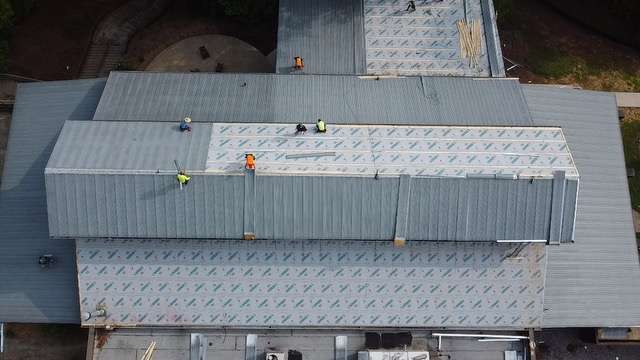
Signs of Hail Damage on Asphalt Shingles
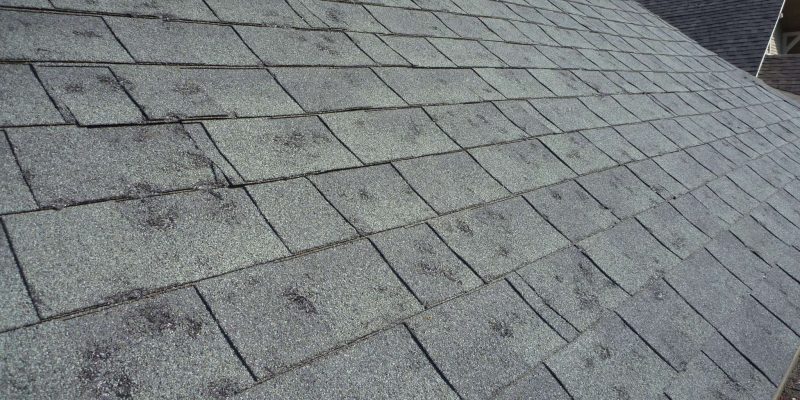
When hail strikes, it can leave visible signs on your asphalt shingles that are often easy to overlook without a close inspection. These signs include dents, dings, bruising, or cracks that compromise the shingle’s protective barrier. In many cases, hail can knock granules off the surface of the shingles, exposing the underlying asphalt layer. This granule loss not only affects the appearance of the roof but also accelerates deterioration by exposing it to UV rays and moisture. If left unaddressed, even small impacts can lead to roof leaks and eventual structural damage.
Secondary Signs of Roof Storm Damage
Damage isn’t always limited to the shingles. Other roof components like flashing, ridge caps, vents, and gutters are also vulnerable during hailstorms. Dented or torn metal, cracked plastic vents, or bent gutters can be signs that hail hit hard. Additionally, check your yard and property for signs of collateral damage—such as holes in window screens, dings on air conditioning units, damaged patio furniture, or shredded plant leaves—as these can be indirect indicators that your roof took a hit too.
How to Inspect for Hail Damage Safely
Climbing on your roof without the proper equipment and training can be extremely dangerous. Slippery surfaces, steep pitches, and hidden damage can pose significant hazards. This is why it’s always best to call a professional roofing contractor who has the right safety gear and expertise to conduct a thorough and accurate assessment. Professional inspections also come with documentation, which is valuable if you plan to file an insurance claim.
How Hail Damage Affects Your Roof
Immediate vs. Long-Term Effects of Hail Damage
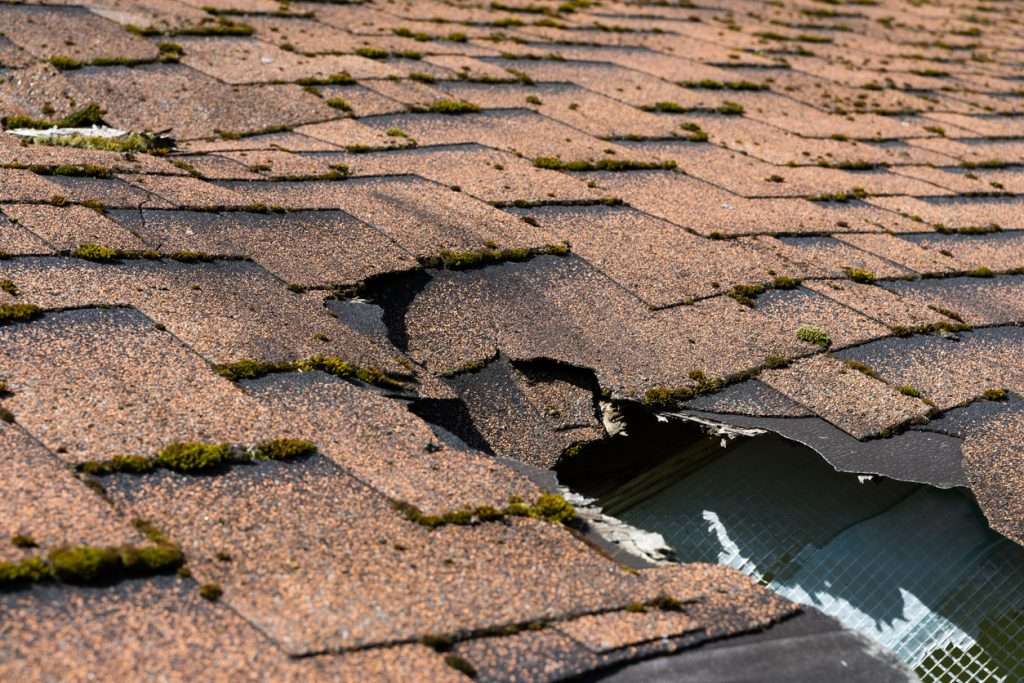
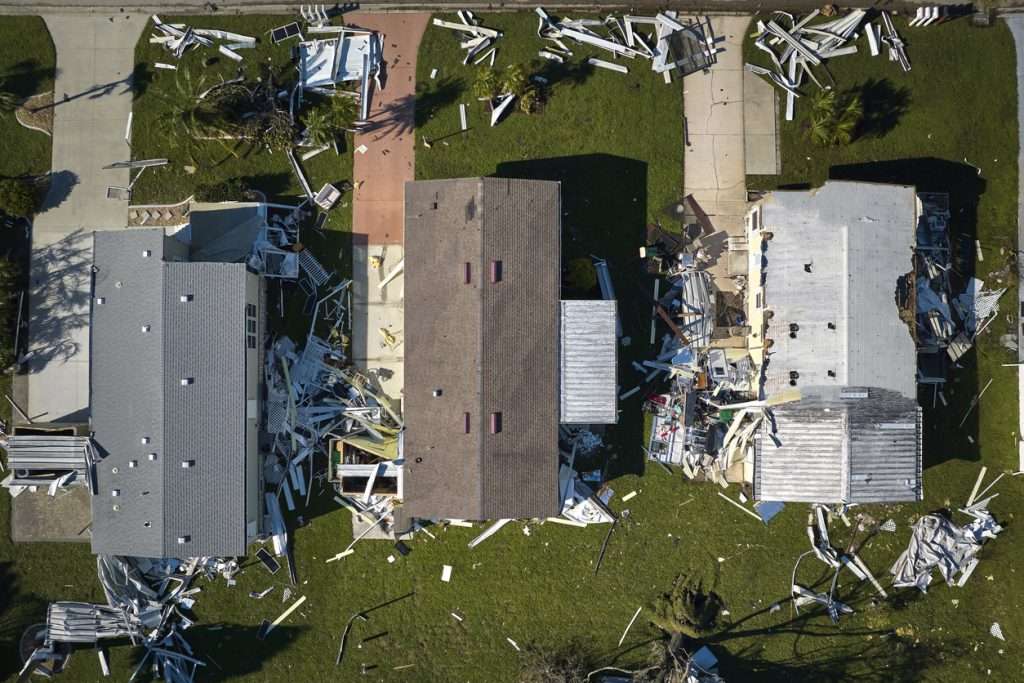
Some damage from hail is instantly visible—like cracked or missing shingles—but other effects take time to develop. Over time, granule loss or bruised shingles can lead to water infiltration, mold growth, or even wood rot in your attic or roof decking. This hidden damage might not be noticeable until it causes internal leaks or ceiling stains, which is why quick action and professional inspection are so important.
Signs of Water Damage from Hail
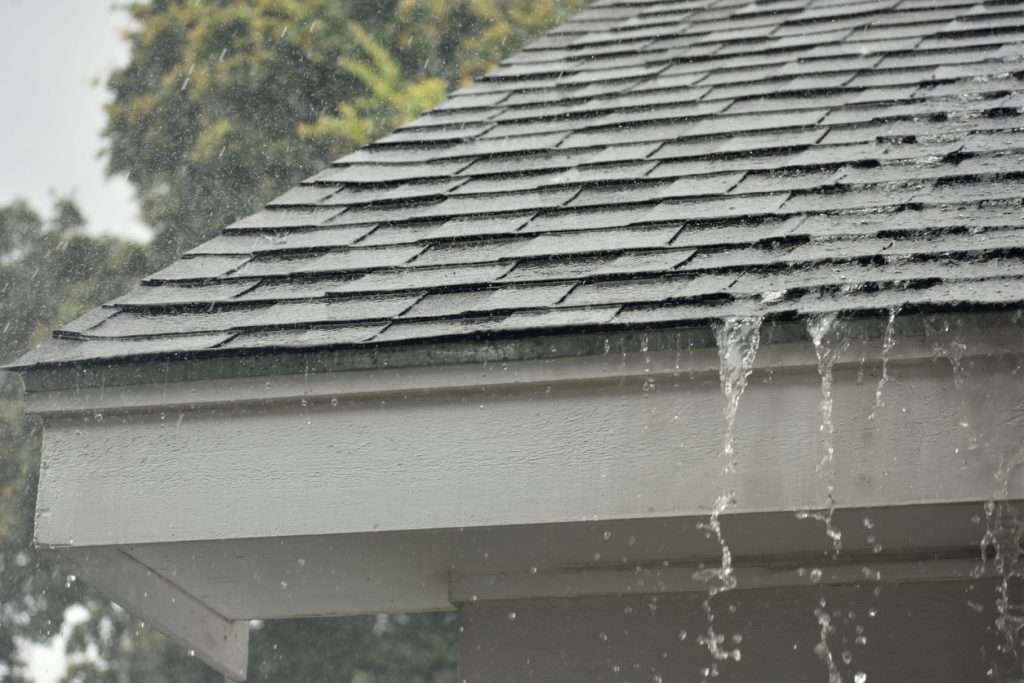
If hail has compromised your shingles, water can seep into your roofing system. This may show up as discoloration or damp spots on ceilings, peeling paint, or bubbling drywall. Water-damaged insulation in the attic is another sign, and over time, this moisture can contribute to mold and mildew growth—posing health risks and driving up repair costs.
Consequences of Ignoring Hail Damage
Delaying repairs after hail damage can accelerate the wear and tear of your roof. Small, untreated issues can turn into major leaks, structural deterioration, and even interior damage. Additionally, most insurance policies have time limits for filing claims—so waiting too long may affect your ability to get compensation.
Determining Repair or Replacement After Hail Damage
When to Repair vs. Replace a Roof
The decision to repair or replace depends on how widespread and severe the hail damage is. If only a small section of shingles is affected, a simple repair may suffice. However, if the damage is widespread or the roof is nearing the end of its lifespan, a full replacement may be more cost-effective and provide long-term protection.
Understanding the Costs of Roof Repair or Replacement
Repair costs can vary but are usually lower if the damage is localized. A full roof replacement, while a larger upfront investment, may be necessary for heavily damaged roofs and can come with warranties and improved energy efficiency. Factors influencing costs include roof size, slope, material type, labor rates, and local permitting fees.
The Role of Roofing Contractors in Damage Assessment
Qualified roofing contractors can evaluate the true extent of damage that may not be visible to the untrained eye. They use specialized tools and experience to determine if water has penetrated the decking, or if there’s underlying structural damage. Their assessment also serves as critical documentation for insurance claims and can help guide your decision between repair and replacement.
Filing an Insurance Claim for Hail Damage
What to Know About Homeowners Insurance and Hail Damage
Many standard homeowners insurance policies cover hail damage, but not all policies are the same. Understanding whether your policy pays out based on actual cash value (ACV) or replacement cost value (RCV) is crucial. Also, take note of your deductible, claim filing deadlines, and any exclusions in your policy.
Steps to File a Roof Insurance Claim
Begin by documenting all visible damage—photos, videos, and written notes help create a solid record. Contact your insurance company as soon as possible and schedule a visit from an adjuster. It’s often beneficial to have your roofing contractor present during the adjuster’s inspection to ensure all damages are properly identified.
Common Challenges with Insurance Claims
Some insurance claims may be partially approved, underpaid, or denied due to lack of evidence or policy misunderstandings. Working with an experienced roofer can help you avoid these pitfalls by ensuring your claim is well-supported. Contractors familiar with the insurance process can even assist in negotiations with your adjuster.
Preventing Future Hail Damage to Your Roof
Durable Roofing Materials to Protect Your Home
Investing in Class 4 impact-resistant shingles or metal roofing can make a big difference in future storm resilience. These materials are tested to withstand high-impact events like hail and can also reduce insurance premiums in some regions.
Routine Maintenance for Storm-Ready Roofs
A well-maintained roof is more likely to survive severe weather. Schedule regular inspections, especially after storms, to catch minor issues before they become major. Clean gutters, clear debris, and replace any missing or damaged shingles as part of routine care.
Installing Protective Measures
Additional reinforcements such as synthetic underlayment, roof coatings, or ice-and-water barriers can enhance your roof’s defense. Some homeowners also install hail guards over skylights or use reinforced ridge caps to better protect vulnerable areas.
When to Call a Professional for Hail Damage
Choosing the Right Roofing Company
Look for a licensed, insured, and experienced contractor with positive reviews and a solid track record. Choose someone who provides detailed inspections, written estimates, and supports you through the insurance process.
Why Professional Roof Inspections Matter
DIY inspections can miss critical issues and pose safety risks. A certified inspector knows what signs to look for and provides a comprehensive report that’s often required for insurance claims. With their help, you’ll get a clear understanding of your roof’s condition and the best steps forward.
Conclusion
While hail damage can be a daunting issue to handle, having a trusted partner like Artisan Roofing & Construction can make the process easier. With an unwavering commitment to quality craftsmanship and customer service, we can help you address roof storm damage effectively and efficiently. We offer top-tier roofing services across Georgia, and our proactive approach ensures we deliver the best solutions for your roofing needs. Let us inspect your roof and provide a comprehensive plan for repair or replacement. Don’t wait for minor damage to become a major problem—contact us today to schedule an appointment.