Buying a New Roof Is an Important Investment
Purchasing a new roof is one of the most significant investments a homeowner can make. Beyond offering protection from rain, wind, and harsh sunlight, a high-quality roof enhances your home’s visual appeal and can improve overall energy efficiency. A new roof can also increase property value and provide long-term savings by reducing repair and energy costs. However, the initial expense can be substantial, so it’s important to understand what affects that cost and how to make smart decisions throughout the process.
Understanding Roof Replacement Costs
National Average Cost
The national average cost of roof replacement typically ranges from $5,000 to $10,000, though some projects may cost as little as $3,000 or upwards of $15,000 depending on several factors. This estimate includes materials, labor, tear-off of old roofing, and basic underlayment. However, regional pricing trends, market demand, and inflation can also influence these averages.
Factors Affecting Roof Replacement Cost
Roof Size and Pitch
Larger roofs naturally require more materials and more time to complete, which drives up the overall cost. The pitch, or steepness, also plays a major role—steeper roofs require additional safety equipment and more labor-intensive installation techniques, both of which contribute to higher pricing.
Material Costs
Roofing material selection has a major impact on your total cost. Budget-conscious homeowners often choose asphalt shingles, while others may opt for metal, slate, or tile for enhanced durability and aesthetics. Higher-end materials not only cost more per square foot but may also require specialized labor.
Labor Costs
The cost of labor varies significantly by region and project complexity. Labor accounts for about 60% of the total roofing cost, and areas with a high cost of living may see substantially higher rates. Factors like multiple roof layers, skylights, chimneys, and dormers can also increase labor costs.
Geographical Location
Your geographical location influences both material and labor pricing. Areas that experience extreme weather (like hail, heavy snow, or hurricanes) may require more durable materials and installation techniques, which adds to the overall cost. Local building codes and permit requirements can also vary, influencing final pricing.
Breakdown of Roofing Material Costs
Asphalt Shingles
Asphalt shingles are the most commonly used roofing material in the U.S. They’re affordable, come in various colors and styles, and are relatively easy to install. Depending on the grade, they typically cost $3.50 to $5.50 per square foot and can last 15–30 years with proper maintenance.
Metal Roofing
Metal roofs are growing in popularity thanks to their durability, fire resistance, and energy efficiency. They are more costly, typically priced between $7 to $14 per square foot, but they can last 40–70 years and require minimal maintenance.
Tile Roofing
Tile roofs offer superior longevity and a classic aesthetic, especially in warmer climates. While they are durable and fire-resistant, they are heavy and often require structural reinforcement. Costs generally range from $10 to $18 per square foot.
Wood Shakes
Wood shakes offer a charming, natural look that fits well in rustic or traditional homes. They typically cost between $6 to $9 per square foot and last around 20–30 years, though they require more maintenance and are less fire-resistant unless treated.
Slate Roofing
Slate is a premium roofing material known for its long lifespan and luxurious appearance. It’s fireproof, eco-friendly, and extremely durable, often lasting over 100 years. However, it is expensive—ranging from $10 to $20 per square foot—and requires skilled installation due to its weight and fragility.
Additional Expenses in Roof Replacement
Removal of Old Roofing
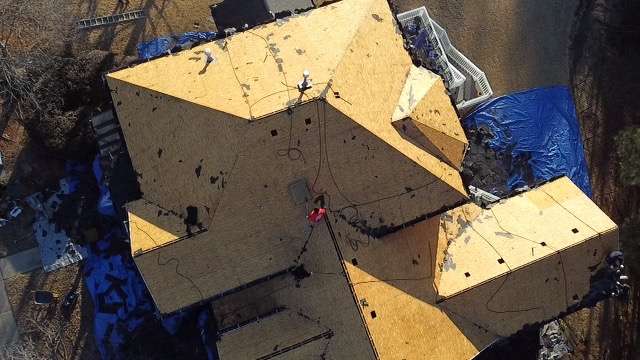
Tearing off the existing roof is often necessary, especially if there are multiple layers or structural damage. This step can add $1 to $5 per square foot depending on the number of layers and the roofing material being removed.
Underlayment and Flashing
These components provide added protection against leaks and water infiltration. Quality underlayment and flashing materials are essential to extending the life of your roof, costing around $1 to $2 per square foot, depending on the material type.
Ventilation Systems
Ventilation helps regulate attic temperature, prevent moisture buildup, and extend the roof’s lifespan. Adding or upgrading a ventilation system may add $300 to $900 or more, depending on your roof’s design and the type of system required.
Permits and Inspections
Local governments often require permits for roof replacement, and fees can range from $150 to $500 or more, depending on your municipality. Inspections before, during, or after the project may also be required, sometimes incurring additional fees.
Financing Your New Roof
Home Equity Loans
Home equity loans allow you to borrow against the value of your home, often with lower interest rates than personal loans or credit cards. This financing method is ideal for large projects, but it’s important to remember your home serves as collateral.
Roofing Company Financing Options
Many professional roofing companies offer in-house or third-party financing to help make roof replacement more affordable. These plans often include flexible payment terms, deferred interest, or same-as-cash options, making them convenient for many homeowners.
Insurance Coverage
If your roof was damaged by a covered event like hail or wind, your homeowners insurance policy may cover part or all of the replacement cost. Be sure to understand your policy terms and work with a qualified roofer who can help you properly document the damage and assist with your claim.
Choosing the Right Roofing Contractor
Researching Roofing Companies
Choose a roofing contractor with strong credentials, proper licensing, and insurance. Read online reviews, ask for referrals, and confirm how long they’ve been in business. A reputable roofer should also be willing to provide references and examples of past work.
Obtaining and Comparing Quotes
Always get at least three written estimates from different roofing companies. Compare the scope of work, materials, warranties, and payment schedules—not just the price. The lowest bid isn’t always the best value.
Understanding Warranties
Warranties provide peace of mind and financial protection. A manufacturer’s warranty covers the materials, while a workmanship warranty covers installation quality. Look for contractors who offer both, and make sure you fully understand the terms, length, and any exclusions.
Signs It’s Time to Replace Your Roof
Age of the Roof
If your roof is nearing the end of its expected lifespan—typically 20 years for asphalt, 40–70 years for metal, and up to 100 for slate or tile—it may be time for a replacement, even if it appears intact.
Visible Damage
Signs such as curling, buckling, or missing shingles, frequent leaks, water stains on ceilings, or granules in gutters all point to a roof that may be failing. Don’t ignore these issues—they often get worse (and more expensive) over time.
Energy Efficiency Concerns
An aging or poorly insulated roof can result in increased heating and cooling costs. If your energy bills are steadily rising, your roof could be the culprit, allowing hot or cold air to escape and forcing your HVAC system to work harder.
Cost-Saving Tips for Roof Replacement
Timing Your Replacement
Scheduling your roof replacement during off-peak seasons (like late fall or early spring) may help you save money, as contractors are often less busy and more likely to offer discounts or flexible scheduling.
Material Selection
Opting for mid-tier materials that balance cost and performance is a smart way to reduce expenses without sacrificing durability. Ask your contractor about energy-efficient or impact-resistant options that might also qualify for insurance or tax incentives.
Regular Maintenance
Regular roof maintenance—such as cleaning gutters, trimming nearby trees, and addressing minor damage promptly—can extend your roof’s life and delay the need for replacement. An annual inspection can help catch problems before they require major repairs.
Partner with Artisan Roofing & Construction
If you’re considering a new roof, Artisan Roofing & Construction is here to help. With years of experience and a dedication to top-quality workmanship, we offer expert roof replacements, repairs, and consultations throughout Georgia. Our team is licensed, insured, and committed to transparent pricing, honest assessments, and superior customer service. Whether you’re ready to start your project or just gathering information, contact us today for a personalized consultation and experience the Artisan difference.