roof replacement, artisan quality roofing roof replacement duration, artisan roofing
Benefits of Roof Replacement
Replacing your roof can significantly enhance your home’s value and curb appeal. A new roof not only protects your property from the elements but also improves energy efficiency, potentially lowering your utility bills.
In addition to aesthetic improvements, modern roofing materials often come with better insulation properties and warranties. Homeowners can choose from a variety of materials, such as asphalt shingles, metal, or tile, each offering unique benefits and styles to suit different preferences and budgets.
Choosing the Right Roofing Material
Selecting the appropriate roofing material is crucial for longevity and performance. Factors such as climate, architectural style, and budget should influence your choice to ensure optimal results.
For example, asphalt shingles are popular for their affordability and ease of installation, while metal roofs are known for their durability and energy efficiency. Consulting with a roofing professional can help you assess your options based on your specific needs and local weather conditions.
Signs You Need a Roof Replacement
Identifying when it's time for a roof replacement can save you from costly repairs in the future. Common signs include missing shingles, leaks, and visible wear or sagging in the roof structure.
Regular inspections can help you catch these issues early. If you notice water stains on your ceiling or walls, it may indicate a failing roof. It’s advisable to contact a roofing expert to evaluate the condition of your roof and recommend the best course of action.
What to Expect During the Roof Replacement Process
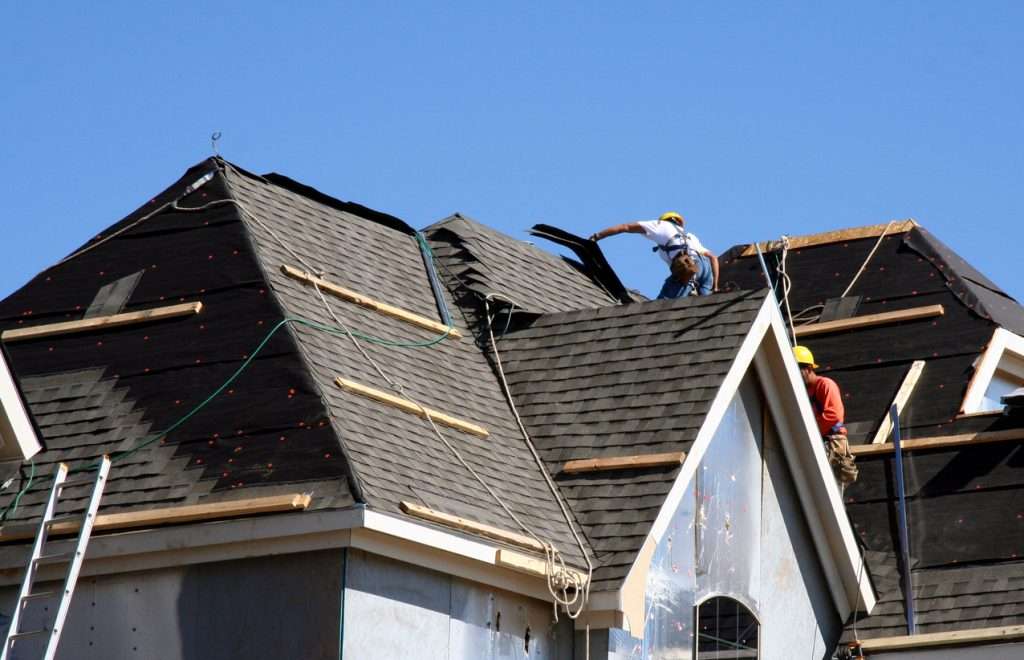
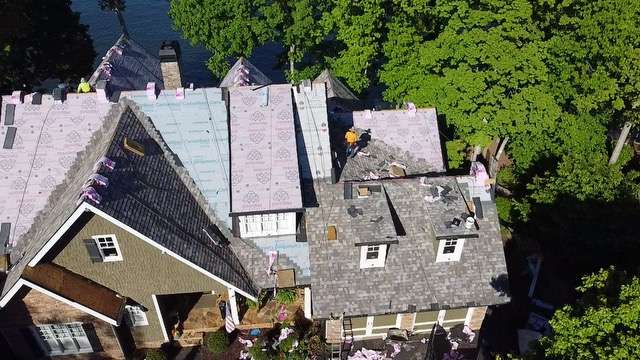
Understanding the roof replacement process can alleviate concerns and help you prepare for the project. Typically, the process involves an initial inspection, removal of the old roof, and installation of the new materials, which can take several days depending on the complexity.
During this time, you can expect a team of professionals to manage the project, keeping you informed and ensuring safety standards are met. It's also essential to discuss any specific requirements or concerns with your contractor beforehand to ensure a smooth experience.